
Applications
One isolation method.
A wide range of pipeline work.
From routine valve maintenance to new construction tie-ins or hydrotests, inline isolation keeps the work to the section that needs it.
Where it fits
Maintenance, repair, construction and testing.
Wherever a pipeline needs a safe, evacuated section to work in, the same approach applies: the tool is pigged into place, sealed against the pipe wall and verified before work begins, without excavation at the isolation site. Only the section being worked on is depressurized, and nothing is left on the pipe afterward.
Why inline isolation
What changes when you isolate from the inside.

Time.
Minimal blowdown, flaring, or drain-down, and no excavation or welded fittings at the isolation site.

Cost.
Less lost product, and no permanent fitting left on the line to inspect and maintain.

Safety.
Independent double-block-and-monitor isolation, with a zero-energy work zone verified before work starts.

Environmental.
Minimized flaring or blowdown for gas lines, and less water or nitrogen for liquid line displacement.
Applications
Find your job.

Each application uses one of two setups: barrier isolation or section isolation. Examples are illustrative; every plan is engineered to the specific line and site. Don’t see your job? Tell us about it.

Trap & Trap Valve Maintenance
Barrier
The tool is pigged a short way into the line and set just past the trap. The mainline holds its pressure while the trap barrel and trap valve are depressurized for maintenance, so only the trap side is blown down or drained.

Mainline Valve Maintenance & Replacement
Section
Two tools bracket the valve and hold line pressure on both sides. Only the short section around the valve is depressurized, so the valve can be maintained or replaced without blowing down or draining the whole line.

Cutouts, Repairs & Tie-Ins
Section
Two tools isolate just the section that needs work, whether it’s feet or miles long. Cut out and replace pipe or make a permanent repair, then pig the tools out with nothing left on the line.

Hydrotesting
Section
Test just a targeted section, rather than a long section between valves. For test pressures above 1,480 psi, tools can be stacked to step the pressure down. Less water to source and dispose of, and if a test fails, the leak can be narrowed to a short stretch.

Emergency Response
Barrier
Section
Isolate a damaged section so the repair can be permanent, not temporary. Only the damaged section is depressurized, and the rest of the line holds its pressure.

Pump/Compressor Station Maintenance
Barrier
A tool holds line pressure back while station equipment is maintained, so only the station side is blown down or drained, not the line.

Construction Support
Section
Tie new pipe into an existing line while it holds its pressure. The tools isolate the tie-in point and are pigged out afterward, with no fittings left behind.

Decommissioning, Recommissioning & Abandonment
Barrier
Section
Draw a clean, verified boundary between live and idle pipe, so a section can be taken out of service, abandoned or brought back without disturbing the rest of the line.
Engineering first
Every job starts with engineering.
Before anything goes in the line, we review your line data, visit the site, and run stress calculations and a piggability study.
How can we help?
Let’s talk about your line.
Tell us about the job and we’ll tell you how we’d isolate it.
Barrier isolation
Trap & Trap Valve Maintenance
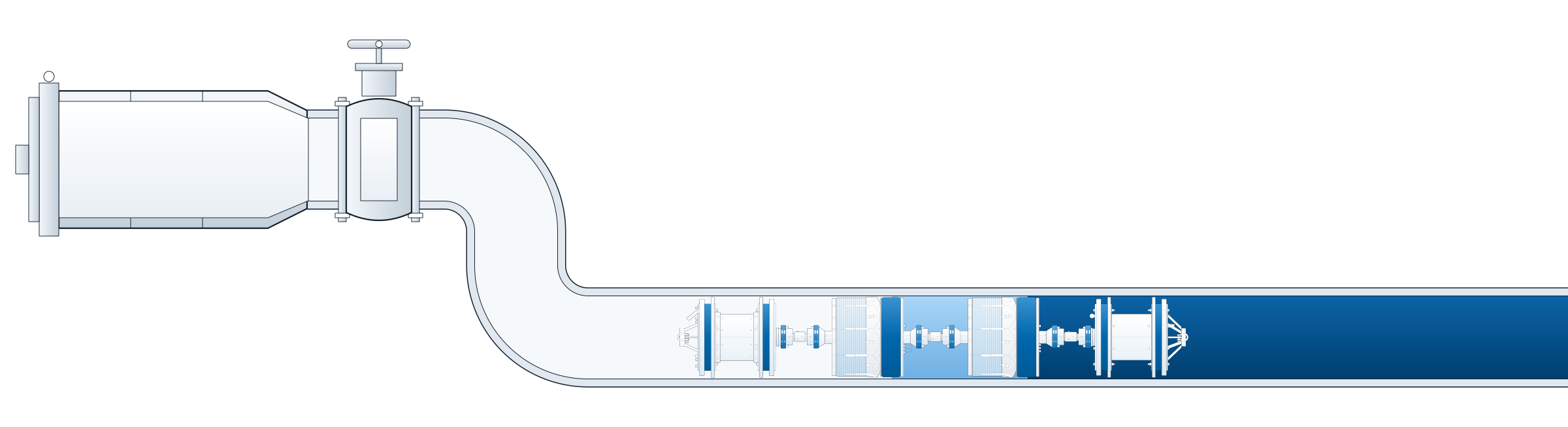
The tool is pigged a short way into the line and set just past the trap. Line pressure is held in the mainline while the trap barrel and trap valve are depressurized for maintenance.
← Previous
Next →
Section isolation
Mainline Valve Maintenance & Replacement
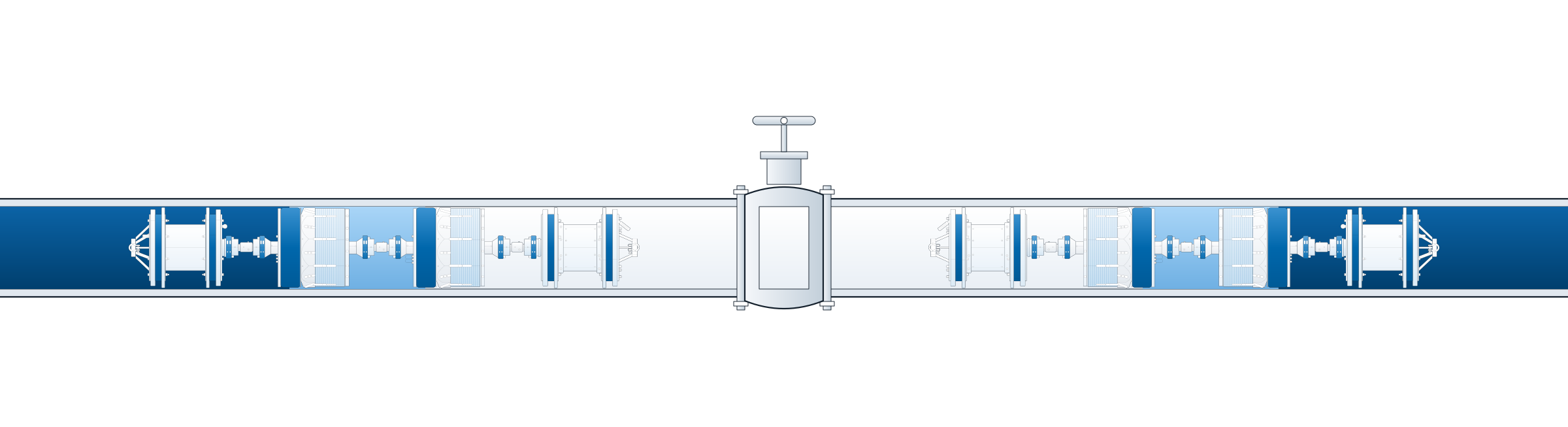
Two tools bracket the valve and hold line pressure on both sides. Only the short section around the valve is depressurized.
← Previous
Next →
Section isolation
Cutouts, Repairs & Tie-Ins
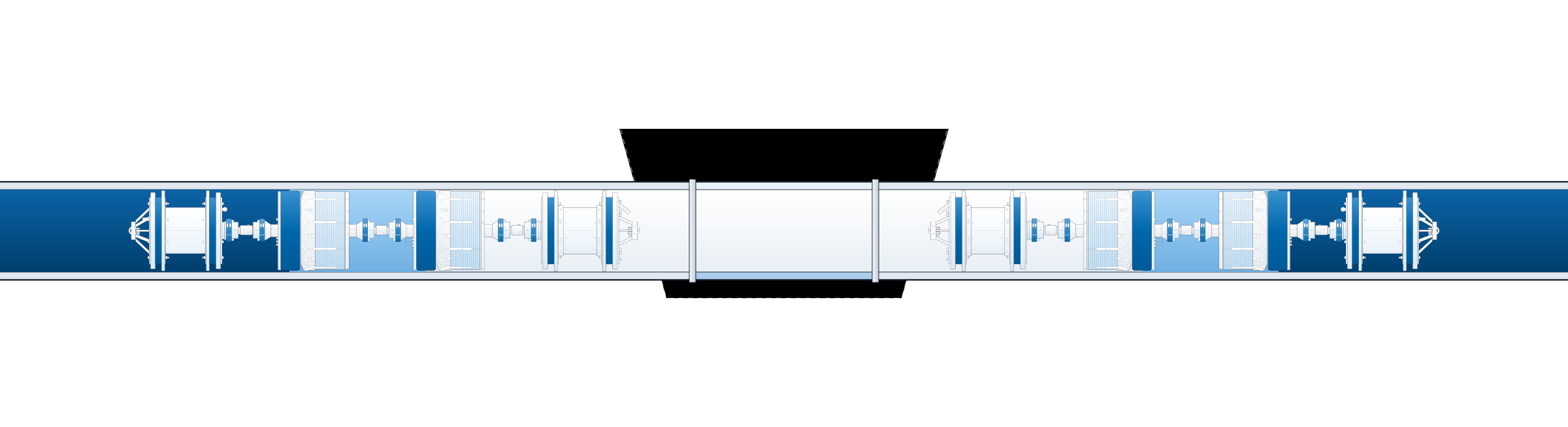
Two tools isolate just the section that needs work, whether it’s feet or miles long, and hold line pressure on both sides.
← Previous
Next →
Section isolation
Hydrotesting
1 / 2
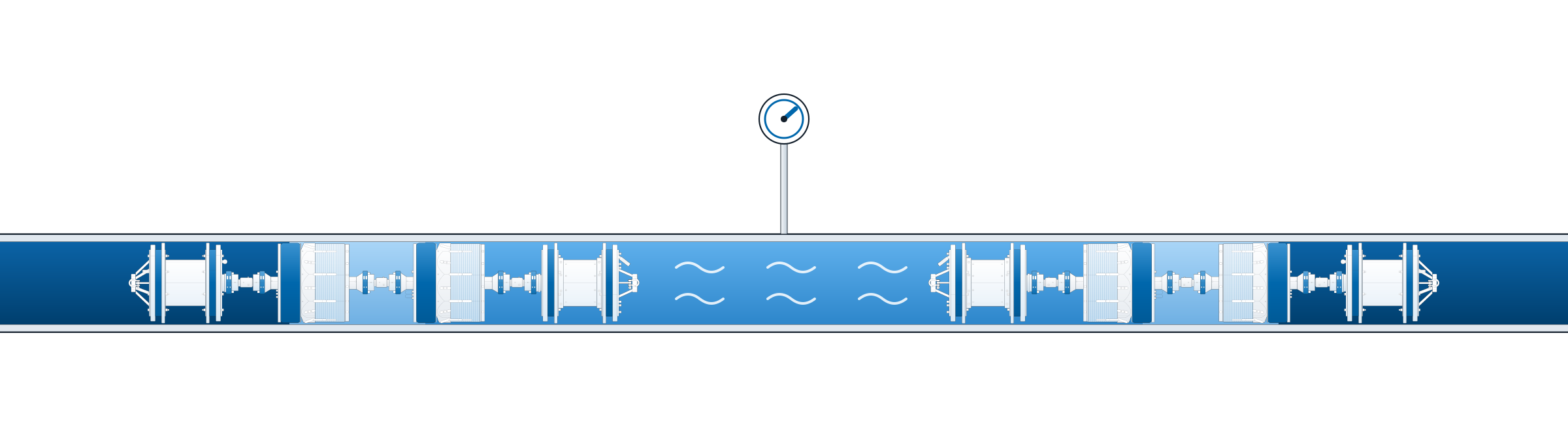
Tools isolate just the section that needs testing, such as a repair or new construction. For test pressures above 1,480 psi, tools are stacked to step the pressure down.
Barrier isolation
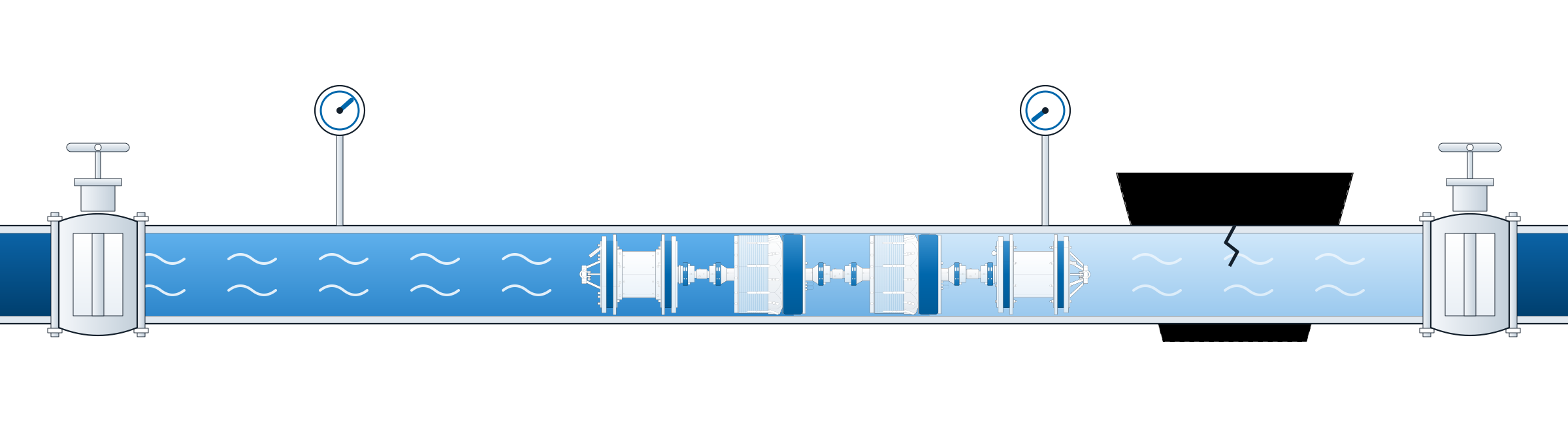
If a test fails: leak location
2 / 2
Valves bound the section at both ends. One tool divides it, and the side that drops pressure has the leak. Each move cuts the search in half, so you dig once, where the leak is.
← Previous
Next →
Section isolation
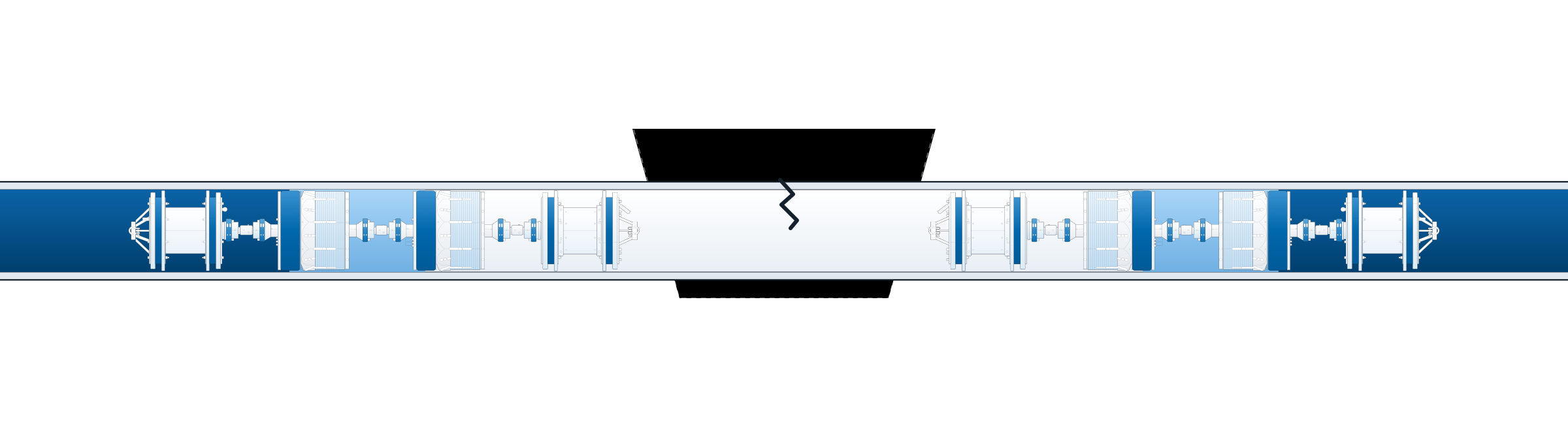
Emergency Response: isolate the damaged section
1 / 3
Every emergency is different. Here are the most common ways we’d isolate one. When the damage is known, two tools bracket the damaged section so the repair can be permanent, and the rest of the line holds its pressure.
Barrier isolation
Emergency Response: find the leak first
2 / 3
When there’s a leak but its location isn’t known, one tool divides the section between closed valves. The side that drops pressure has the leak, and each move cuts the search in half, so you dig once, where the leak is.
Barrier isolation
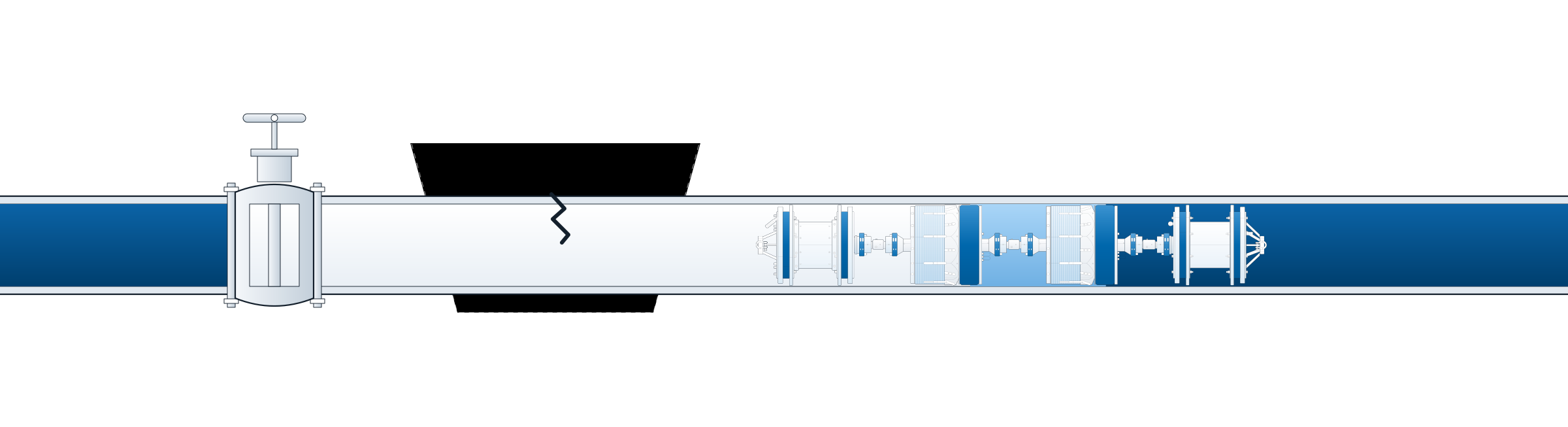
Emergency Response: against a barrier
3 / 3
Where a closed valve is close to the damage, one tool isolates the damaged section against it.
← Previous
Next →
Barrier isolation
Pump/Compressor Station Maintenance
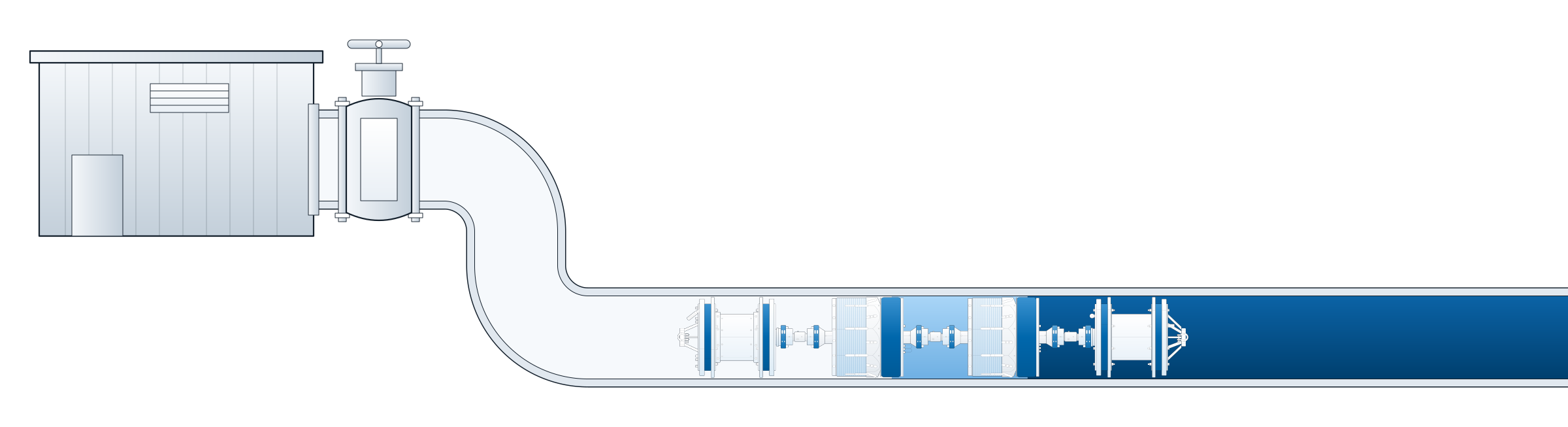
A tool holds line pressure back while station equipment is maintained, so only the station side is blown down or drained, not the line.
← Previous
Next →
Section isolation
Construction Support
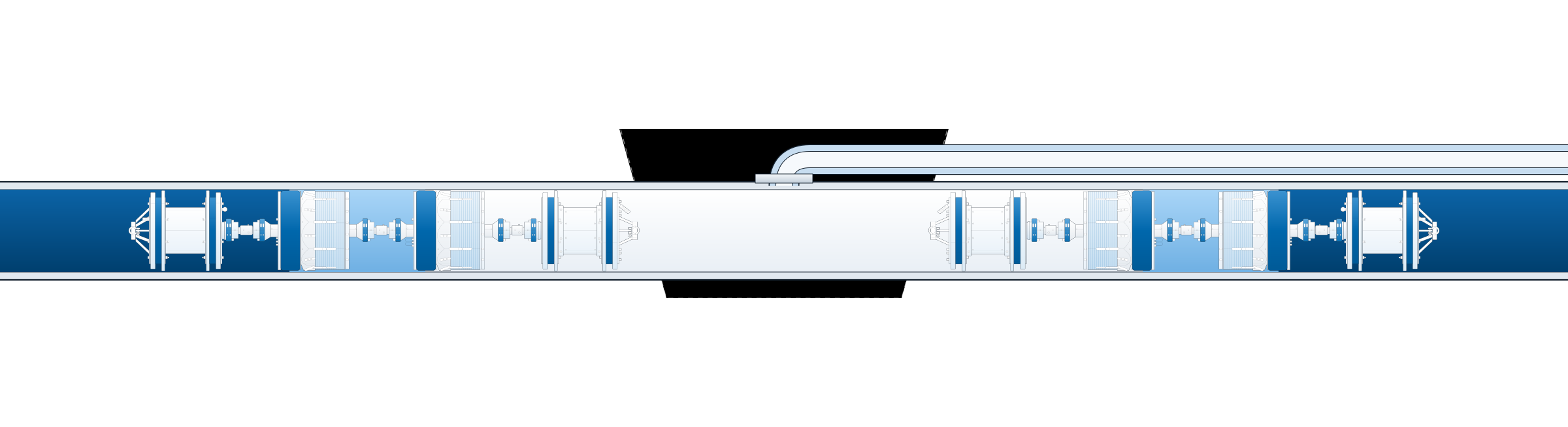
The tools isolate the tie-in point while the line holds its pressure, then are pigged out with no fittings left behind.
← Previous
Next →
Barrier isolation
Decommissioning, Recommissioning & Abandonment: against a barrier
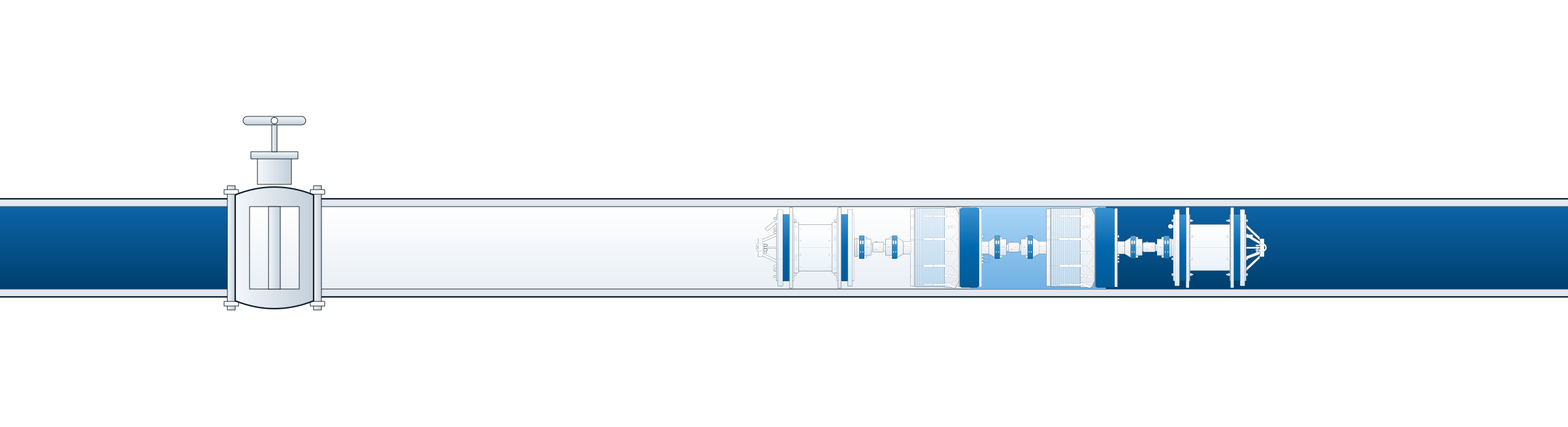
1 / 2
Where a closed valve already exists, one tool draws a clean, verified boundary between live and idle pipe.
Section isolation
Decommissioning, Recommissioning & Abandonment: between two tools
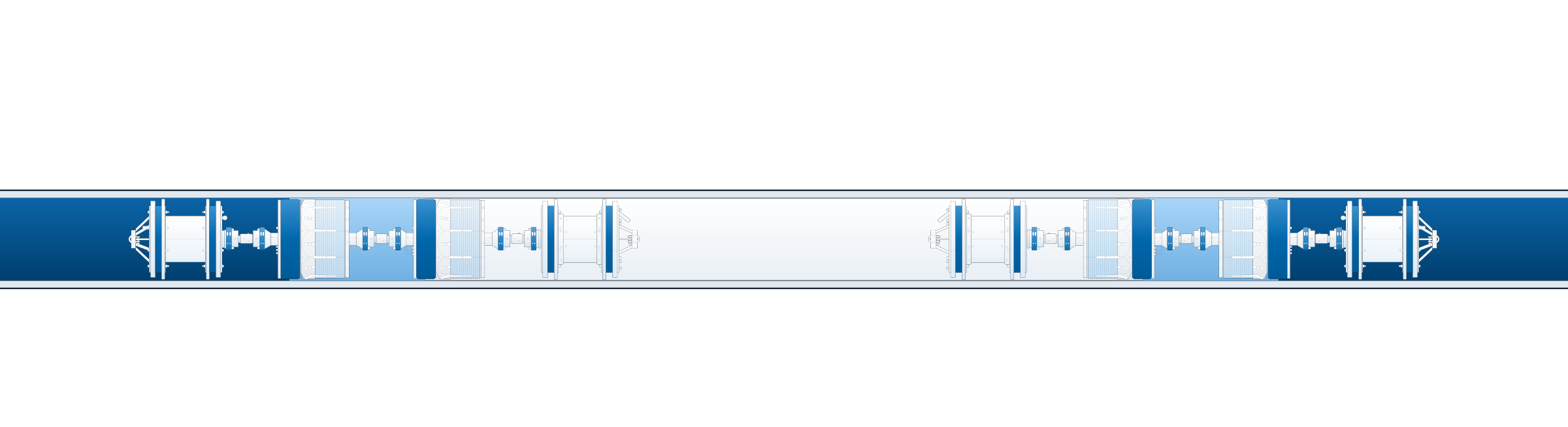
2 / 2
Where there’s no valve to rely on, two tools bracket the section being taken out of service or brought back.
← Previous
Next →