
Inline
pipeline
isolation
Non-intrusive, independent double-block-and-monitor
We deliver proven, reliable inline isolation solutions that let pipeline operators safely build, maintain, and hydrotest their assets with minimal disruption.
What we do
Isolate only the section that needs work.
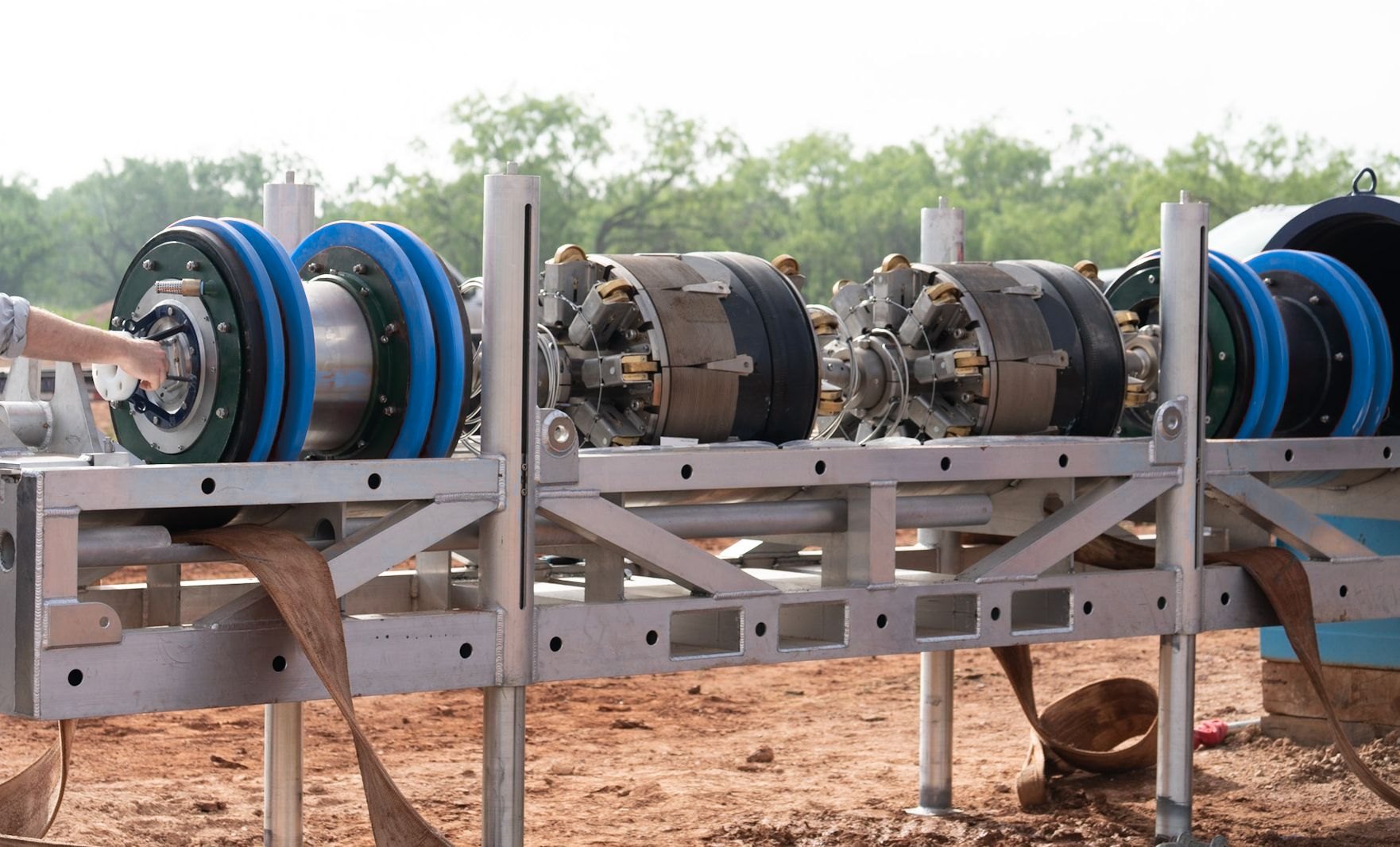
Rampart isolates sections of live pipelines with a non-intrusive, independent double-block-and-monitor inline tool, for everything from routine valve maintenance to cutouts, tie-ins and hydrotests, with no excavation at the isolation site and no welded fittings. The result: less line displacement, less product loss, faster turnarounds, lower costs, and a safer job site.
How it works
01
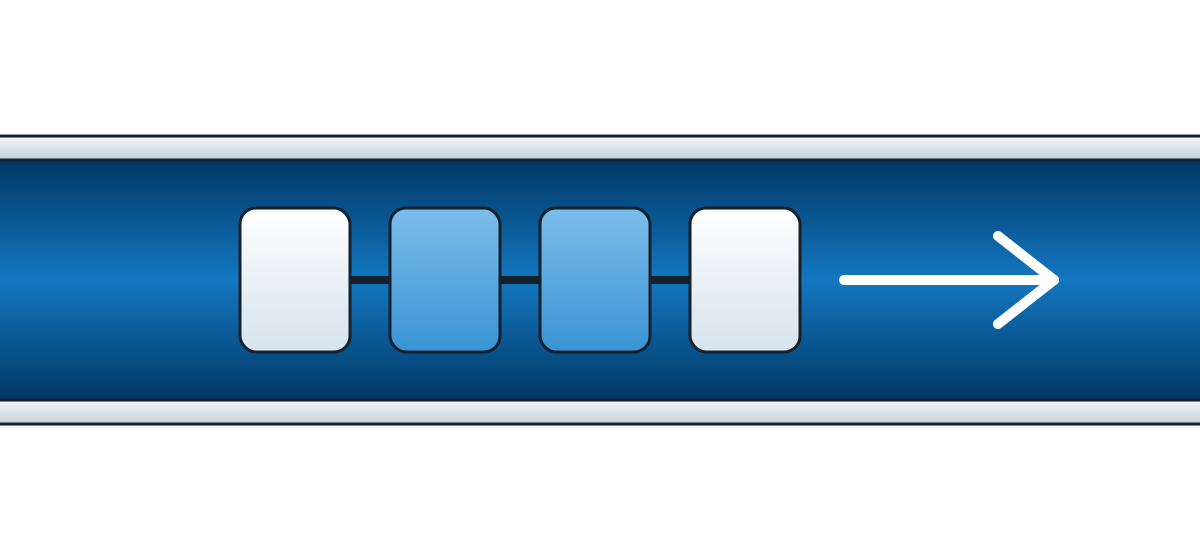
The tool is pigged through the line to the planned isolation point.
02
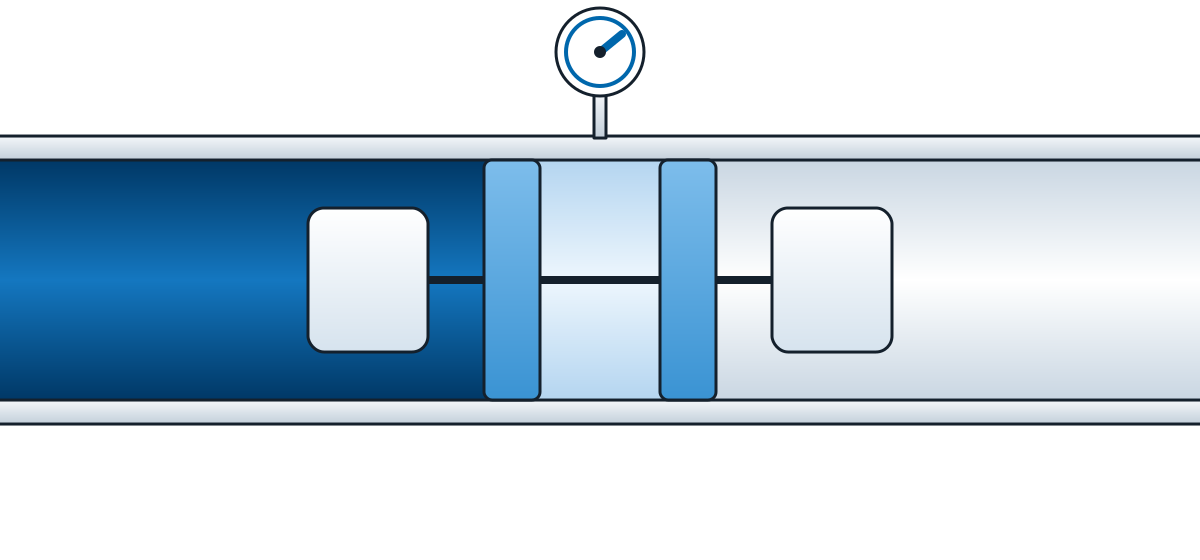
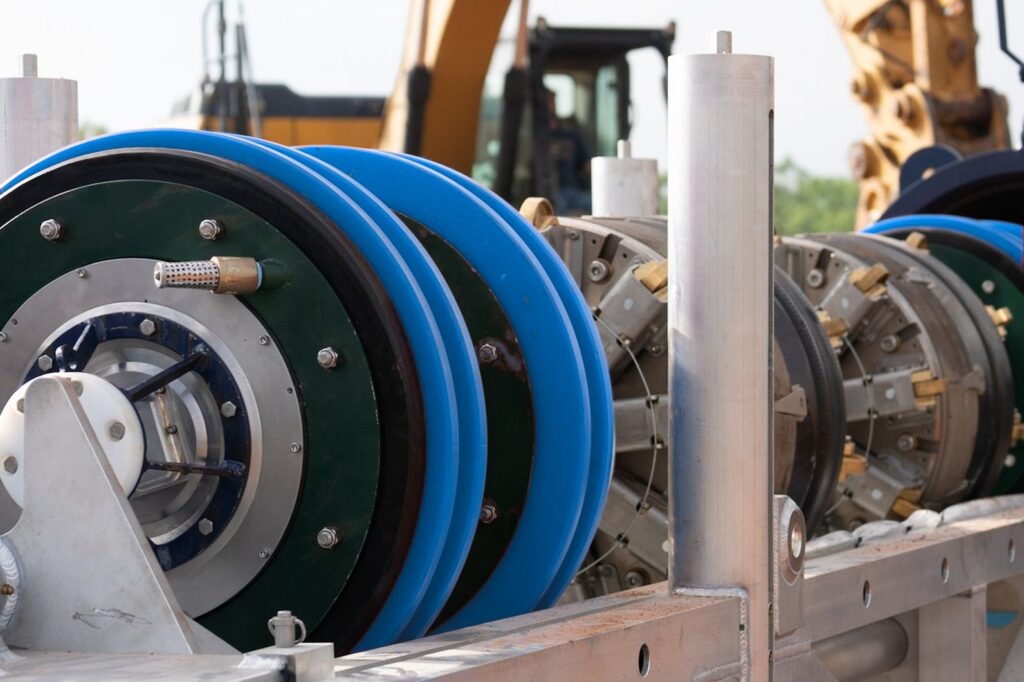
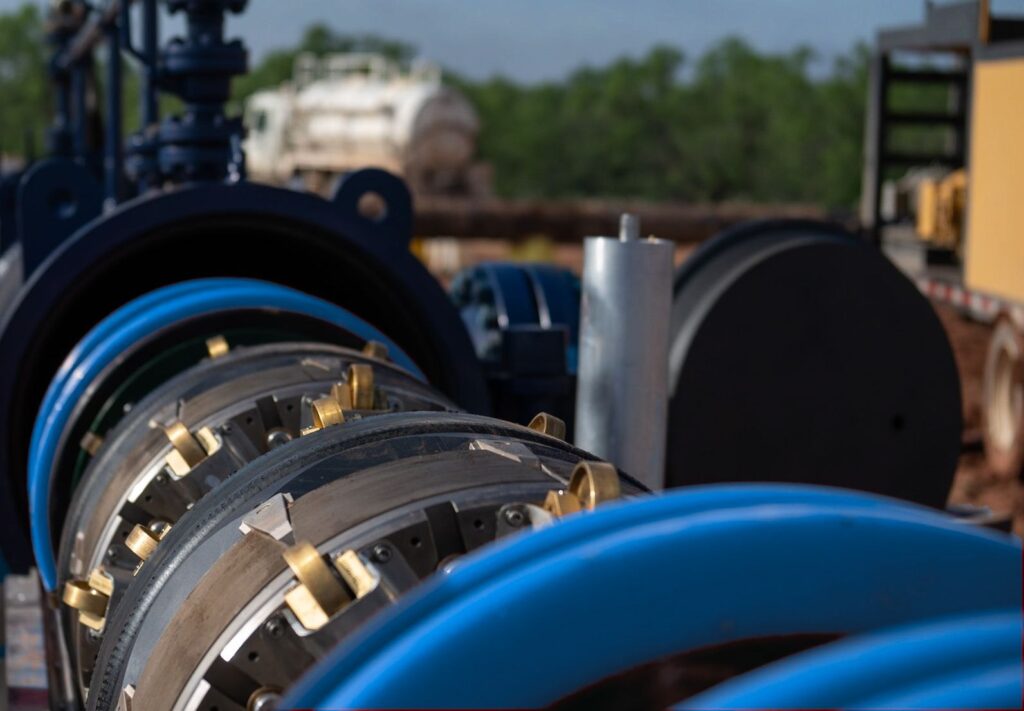
Operated from the surface, the plug modules seal against the pipe wall, and the space between them is monitored until the hold time verifies the set.
03
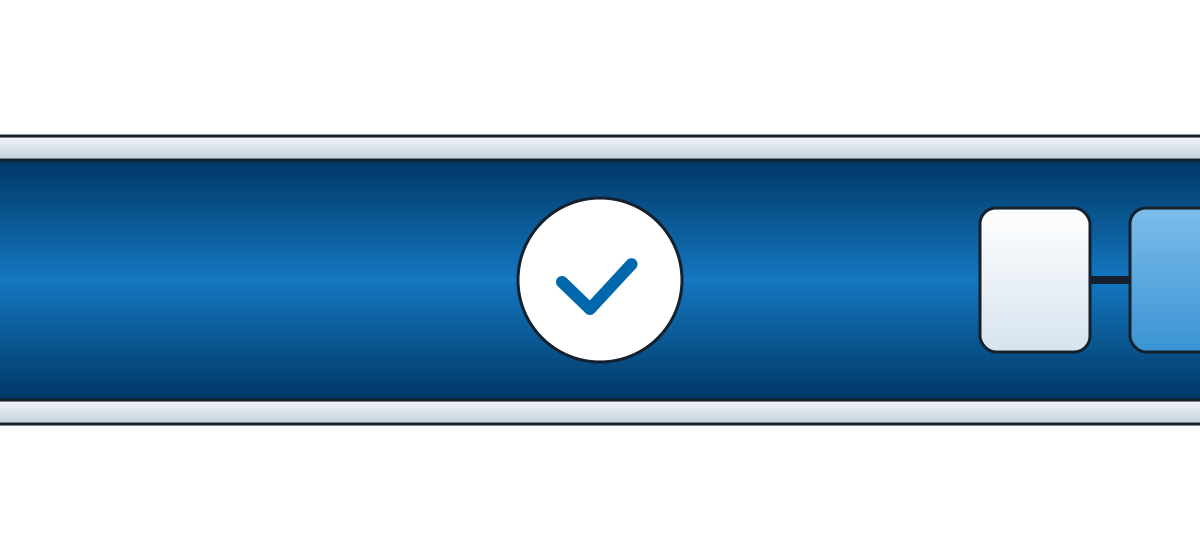
The planned pipeline work is completed. Afterward, the tool is unset and pigged out, leaving nothing on the pipe.
Applications
Two ways to isolate.
A wide range of pipeline work.

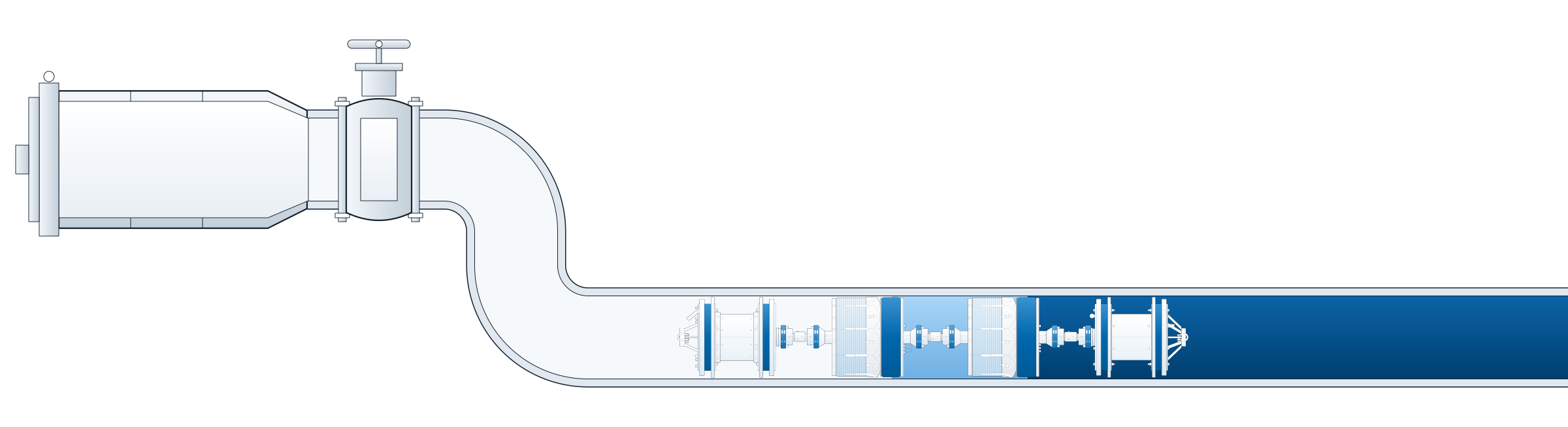
Example: trap maintenance. The tool is pigged a short way into the line and set just past the trap, holding line pressure in the mainline.
Barrier isolation
Isolate against a barrier.
One tool seals the line against a barrier you can already rely on, such as a blind flange or a double-block-and-bleed valve. Line pressure is held on one side while the work side is isolated and depressurized.
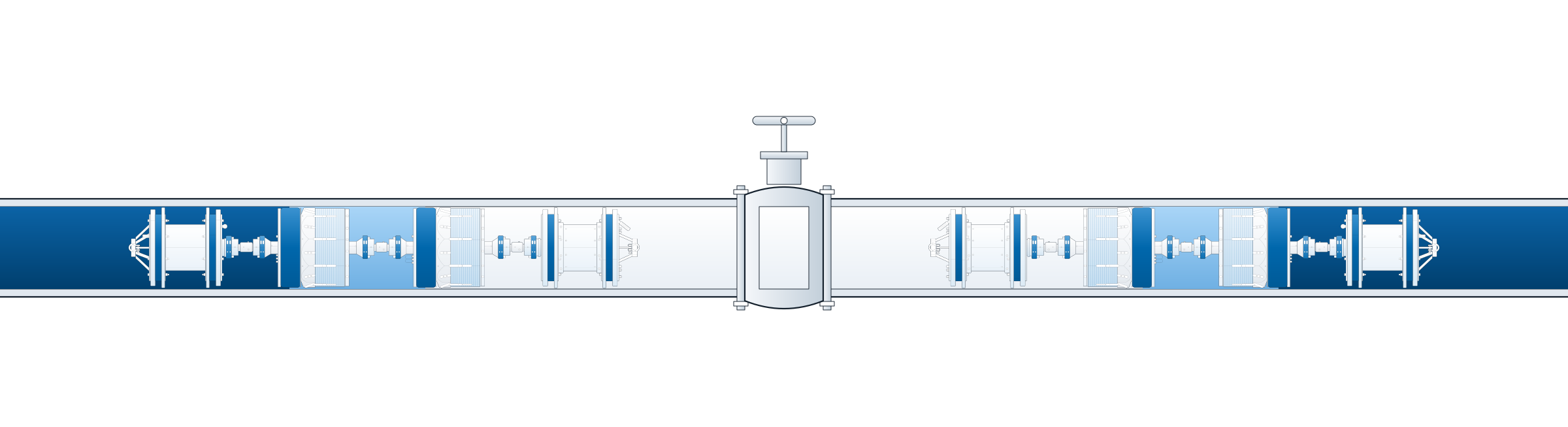
Example: a mainline valve replacement. The same setup brackets cutouts, repairs and tie-ins, and isolates test sections for hydrotesting.
Section isolation
Isolate a section between two tools.
Two tools bracket the work, one on each side, and hold line pressure on both sides of it. The section can be feet or miles long, and only that section is depressurized. For differential pressures above 1,480 psi, as in most hydrotests, tools can be stacked to step the pressure down. Afterward, the tools are pigged out, leaving nothing on the pipe.
Examples are illustrative. Every isolation plan is engineered to the specific line, its connections and site conditions.
Safety
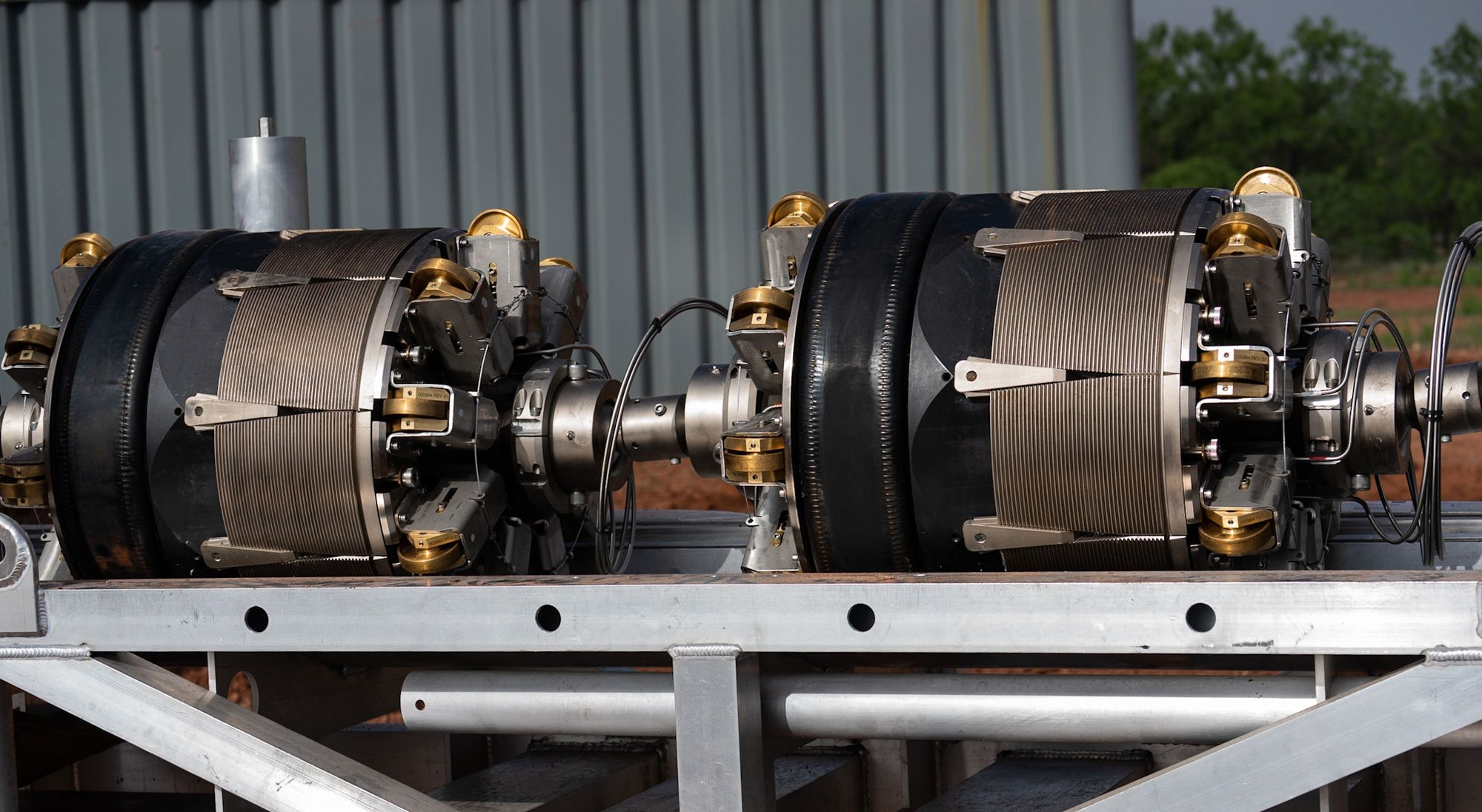
Built for safety.
Every isolation uses two independent plug modules, each able to hold the full differential pressure, with the space between them (the annulus) monitored continuously, on site or remotely. The set is verified before work begins.
Experience
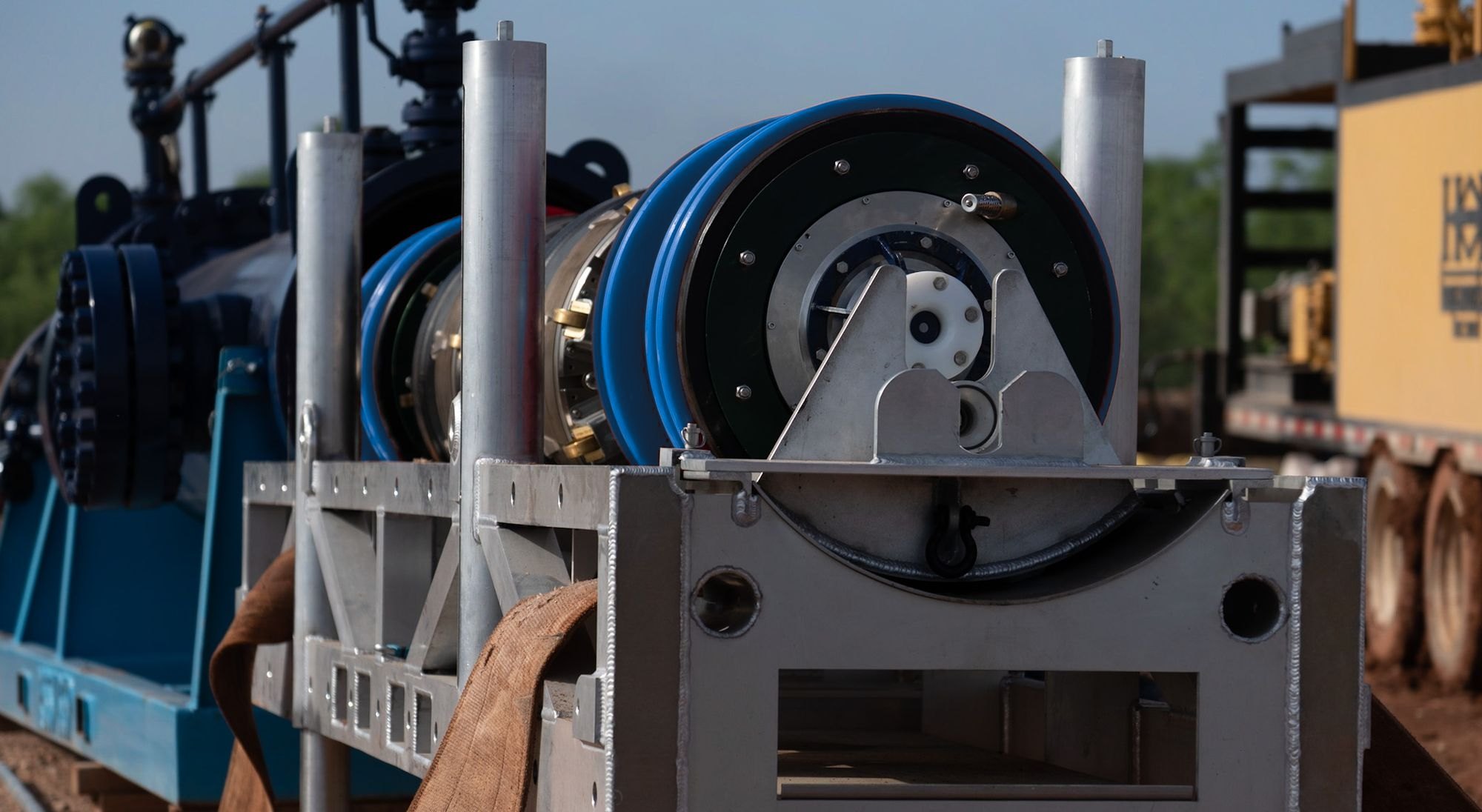
Built from experience.
Rampart’s team brings decades of pipeline integrity, isolation and engineering experience, from field operations to tool design.
News
Latest from Rampart.
Events • November 5, 2026
See inline isolation up close at a Rampart Demo Day.
Company News • November 5, 2026
Introducing Rampart Isolations.
How can we help?
Let’s talk about your line.
Tell us about the job and we’ll tell you how we’d isolate it.